Weather Planning Is Just as Important as Scheduling
There’s one factor that can disrupt even the best-planned project weather.


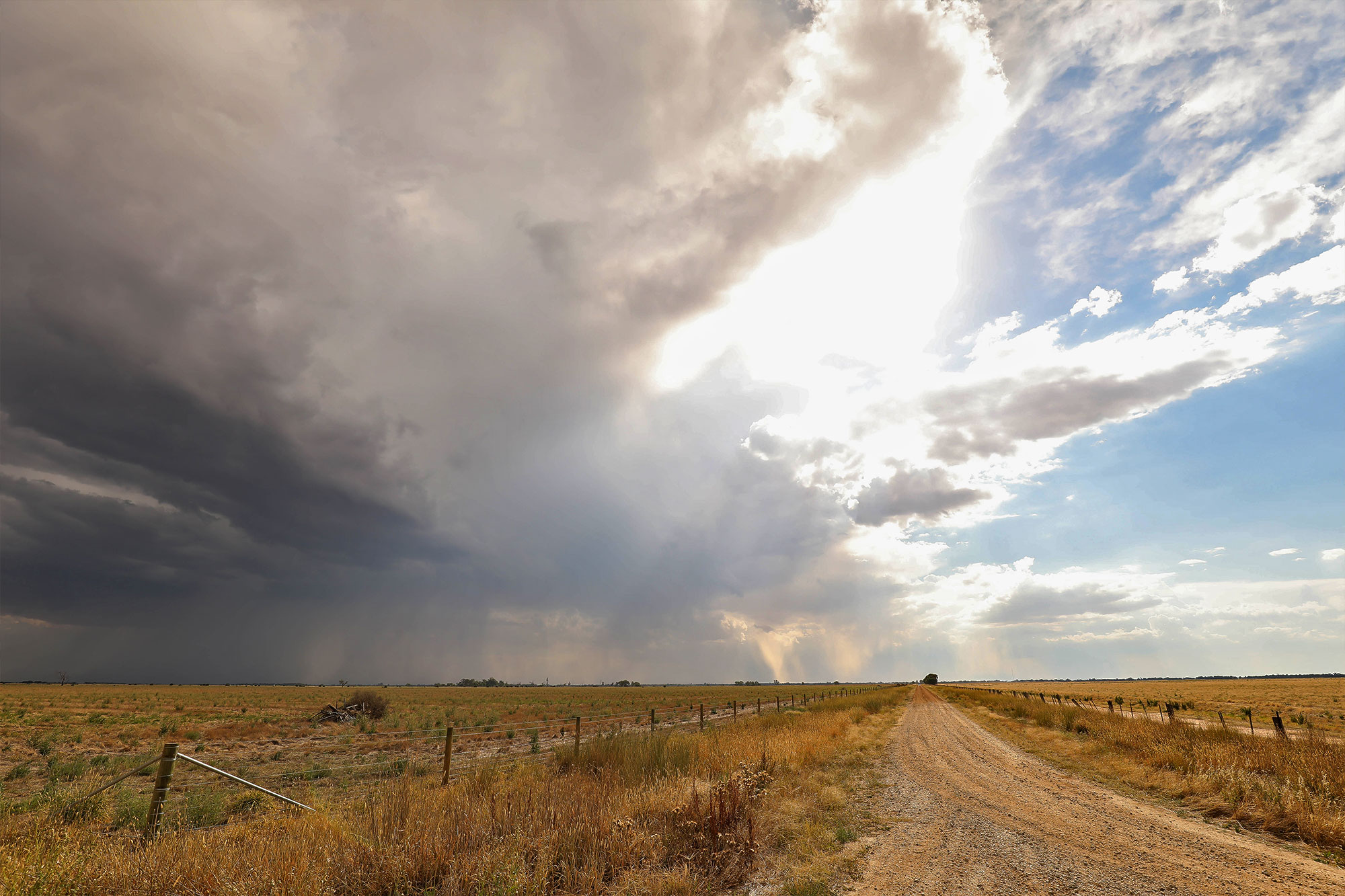
Even the best-planned civil project can be derailed by weather but the contractors who plan for it don't blow out timelines when it hits. Weather-aware scheduling, soil moisture tracking, and staged earthworks are the difference between a site that pauses for two days and one that loses two weeks. Here's how NSC plans for weather across NSW's variable conditions, and what to ask your contractor before you sign.
In civil construction, timelines matter. Deadlines, budgets, and resource allocation all rely on a well-structured program.
But there’s one factor that can disrupt even the best-planned project weather.
From heavy rainfall to extreme heat, weather delays are one of the most underestimated risks in construction. And when they’re not properly planned for, the consequences can quickly escalate.
The Problem: Weather Delays That Halt Progress
Weather conditions can bring construction activities to a complete standstill.
Whether it’s persistent rain saturating the ground or extreme heat creating unsafe working conditions, certain tasks simply cannot proceed.
Common weather-related disruptions include:
- Rain preventing earthworks and compaction
- Wet ground conditions making sites inaccessible
- Extreme heat impacting worker safety and productivity
- Wind affecting lifting operations and plant use
When this happens, work stops and timelines slip.
Why It Happens
Weather delays aren’t just about “bad luck.”
They often become a major issue when projects are planned without fully considering environmental conditions.
Some common reasons include:
- Overly optimistic scheduling without weather allowances
- Seasonal risks not factored in during planning
- Lack of contingency strategies for wet or extreme conditions
- Pressure to maintain timelines, even when conditions aren’t suitable
In reality, weather is predictable to a degree and failing to plan for it is where many projects go wrong.
Real-World Consequences
Ignoring weather impacts doesn’t just delay a job it creates a chain reaction of issues across the entire project.
1. Compaction Failures
Moisture levels play a critical role in achieving proper compaction.
Too wet or too dry, and you risk failing density requirements, leading to rework and added costs.
2. Unsafe Working Conditions
Wet surfaces, reduced visibility, and extreme temperatures increase the risk of accidents on site.
Safety should never be compromised to “stay on schedule.”
3. Program Blowouts
A few lost days can quickly turn into weeks if sequencing is affected.
Delays in one phase often impact multiple trades and downstream activities.
4. Increased Costs
Idle plant, labour downtime, and rework all add up.
What starts as a weather delay can become a budget problem.
5. Quality Issues
Rushed work after delays often leads to substandard outcomes, which can create long-term defects.
How Experienced Contractors Prevent It
Weather can’t be controlled but it can be managed.
Experienced civil contractors understand that planning for weather is just as important as planning the work itself.
Here’s how it’s done:
1. Build Weather Into the Program
Realistic scheduling includes allowances for rain days and extreme conditions.
This reduces pressure and keeps expectations aligned.
2. Sequence Work Strategically
Critical earthworks and compaction activities are scheduled during more favourable seasons, wherever possible.
3. Prepare the Site for All Conditions
Proper drainage, access roads, and erosion controls help keep sites operational even during wet periods.
4. Use Flexible Planning
Experienced teams adapt quickly resequencing works, reallocating resources, and adjusting timelines as conditions change.
5. Prioritise Safety Over Speed
No program is worth risking safety.
Professional sites maintain strict standards regardless of schedule pressures.
A well-managed site doesn’t just react to issues it stays in control.
6. Communicate Early and Clearly
Weather impacts multiple stakeholders.
Clear communication ensures everyone understands changes and expectations.
The Bottom Line
Weather delays are unavoidable but project disruption isn’t.
The difference between a smooth project and a costly delay often comes down to planning, experience, and adaptability.
When weather is treated as a key factor not an afterthought projects stay safer, more efficient, and on track.
Need Help Managing Site Risks?
At Next Stage Civil, we understand the challenges that come with civil construction including unpredictable weather conditions.
We work with clients to plan smarter, manage risks, and keep projects moving forward no matter the conditions.