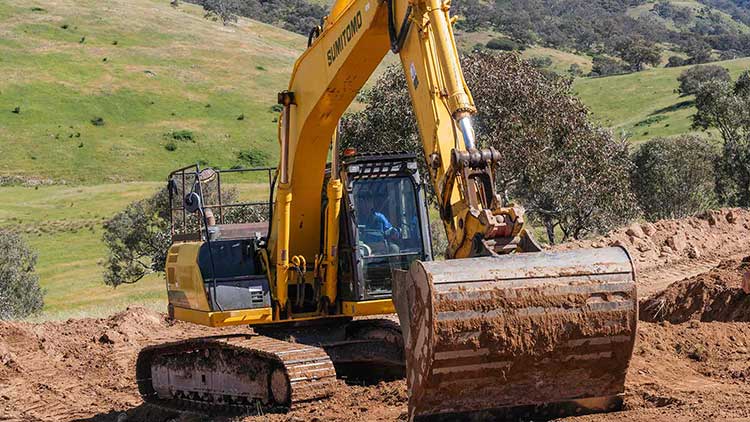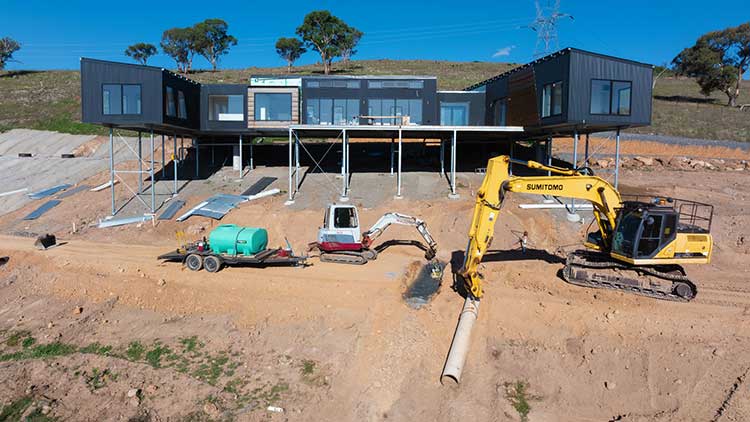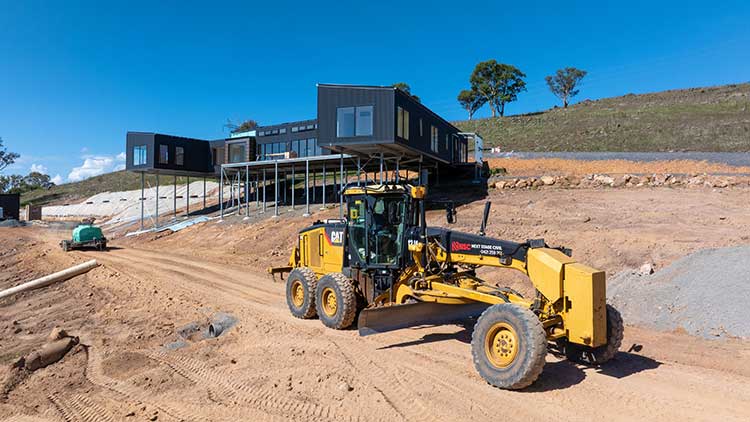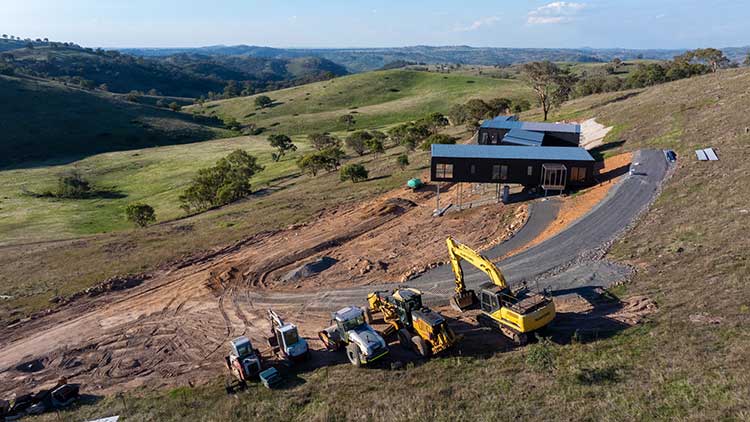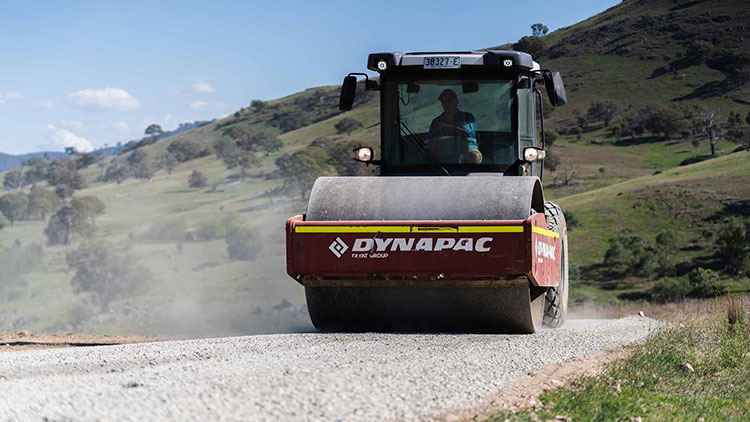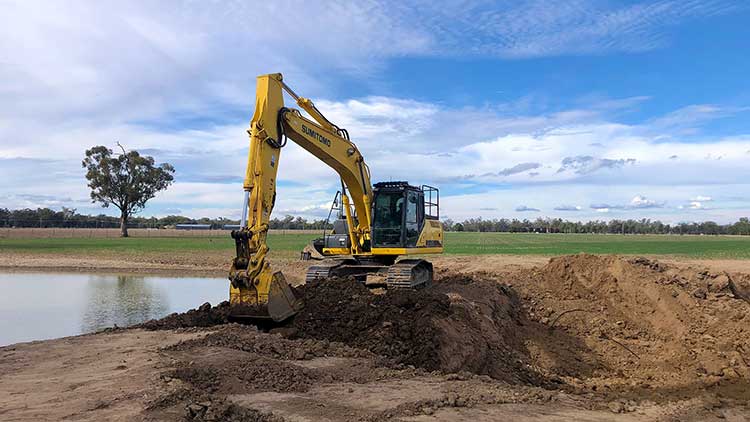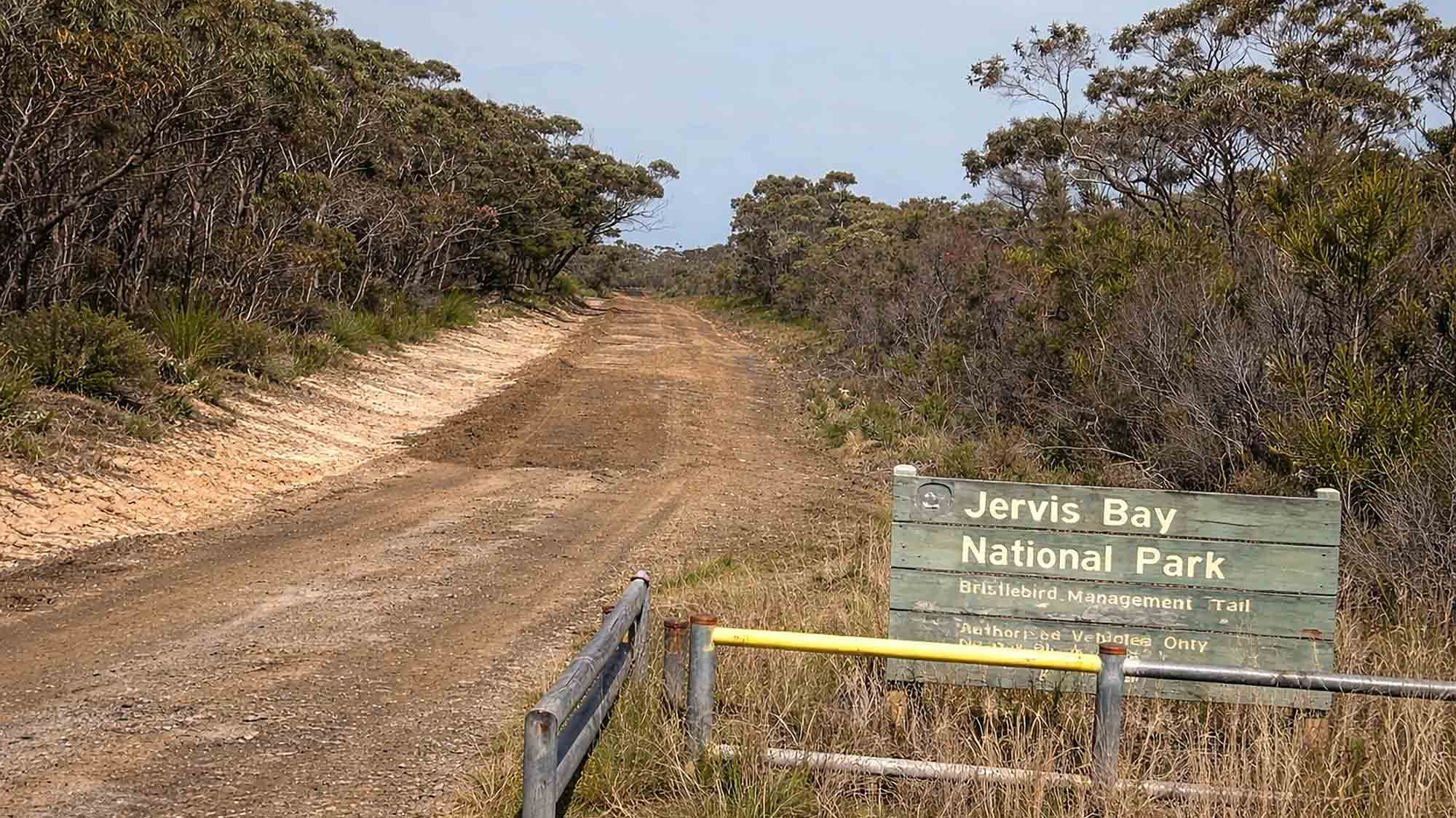
Next Stage Civil was engaged by a tier 2 contractor to rehabilitate 3 kilometres of fire trail in the Jervis Bay region. The trail had deteriorated significantly, uneven running surface, poor drainage, and rutting that compromised reliable access for emergency services and land managers. This was quietly important work: functional infrastructure that needed to perform under pressure long after the machinery left site.
The scope focused on restoring the trail to a durable and dependable standard, not cosmetic cleanup, but practical restoration built around how water moves and how access holds up over time.
- Fire trail grading and surface reshaping
- Drainage correction and water management
- Resheeting works to restore pavement integrity
- Surface condition restoration and profile correction
- Long-term access improvement for emergency and land management routes


Key
Challenges
Deteriorated Trail Condition
- 3km of rutted and uneven running surface
- Deteriorated Trail Condition
- Surface no longer reliably passable for emergency access vehicles
Poor Drainage Throughout
- Water not moving correctly off the running surface
- Standing water and erosion accelerating further deterioration
- Drainage paths undefined or blocked in multiple locations
Working in a Fire Trail Environment
- Function over appearance, the outcome had to perform, not just look finished
- Working in a Fire Trail Environment
- Every section required individual assessment based on terrain and water flow
Maintaining Access During Works
- Trail needed to remain passable where possible during rehabilitation
- Sequencing works to minimise disruption to land management operations
- Coordinating with Quickway to align work windows around fire trail usage requirements
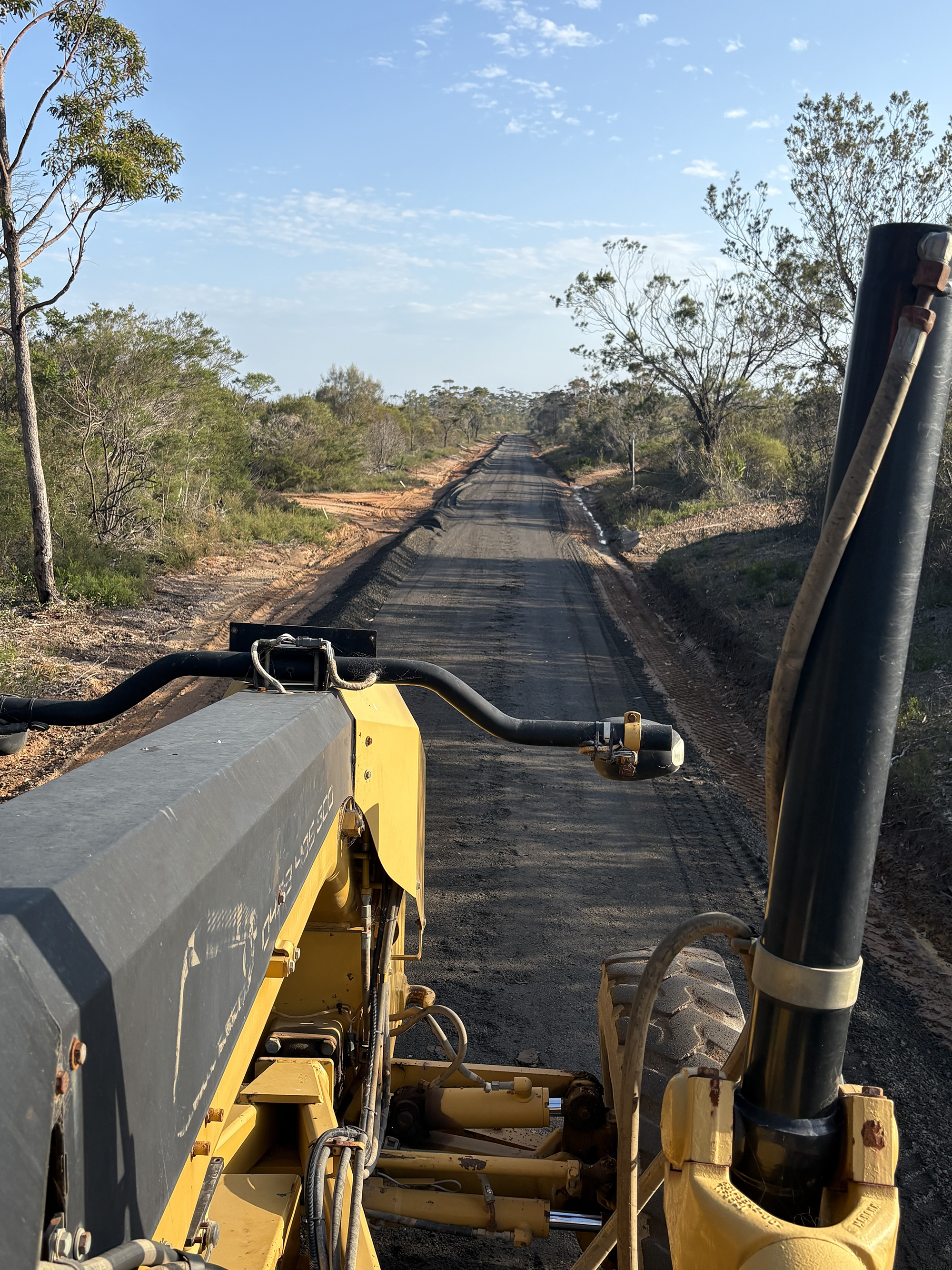
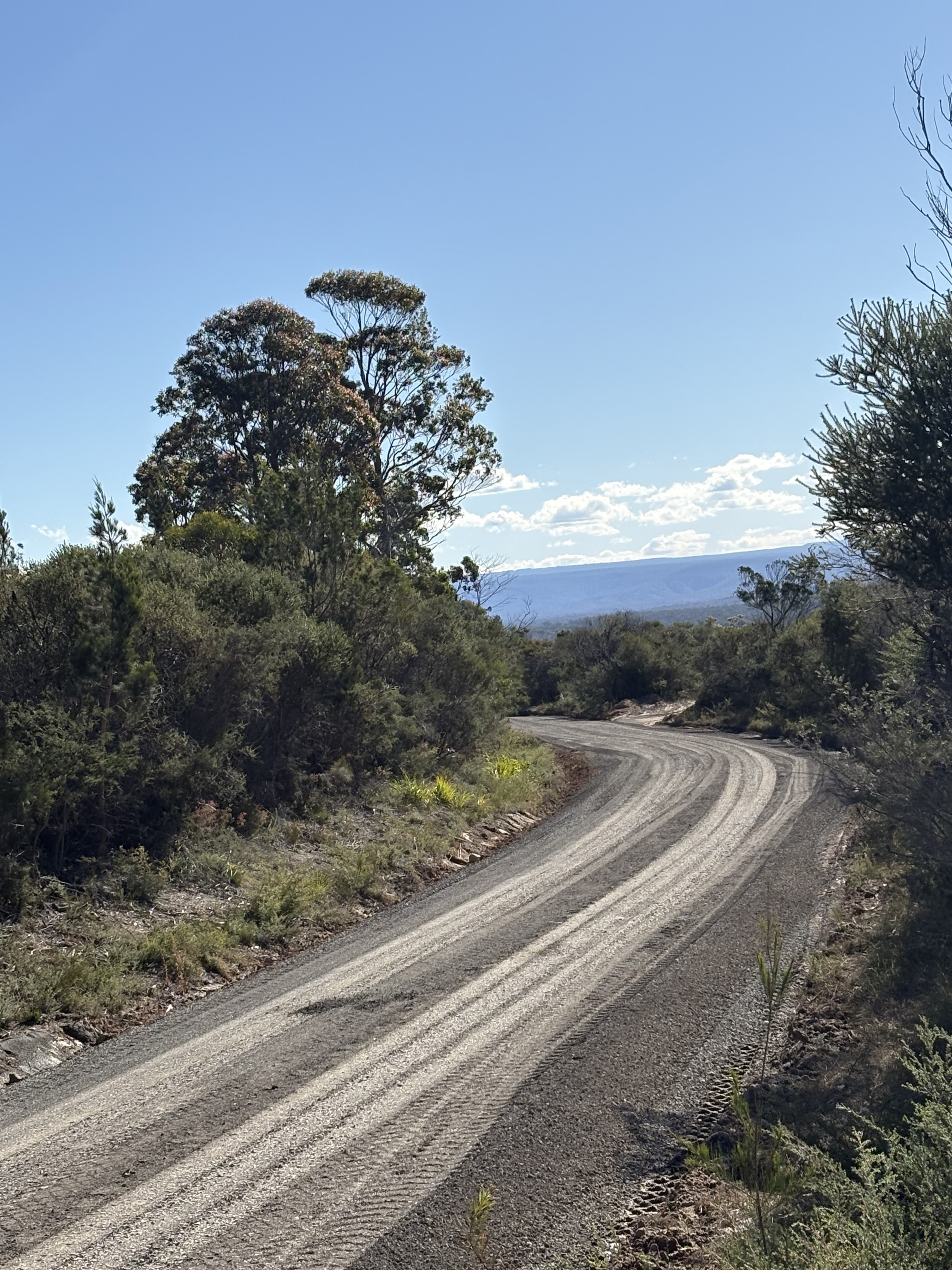
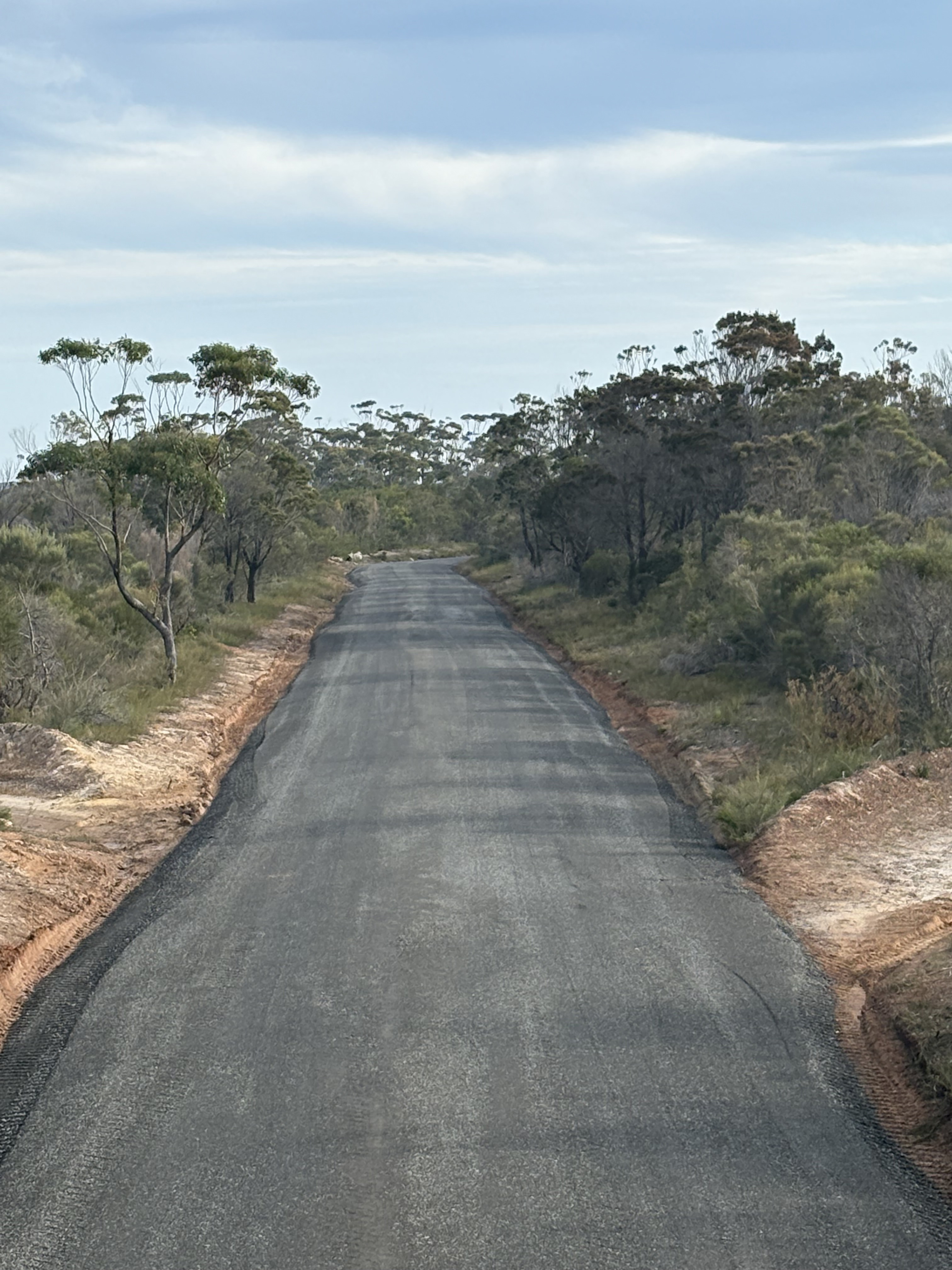
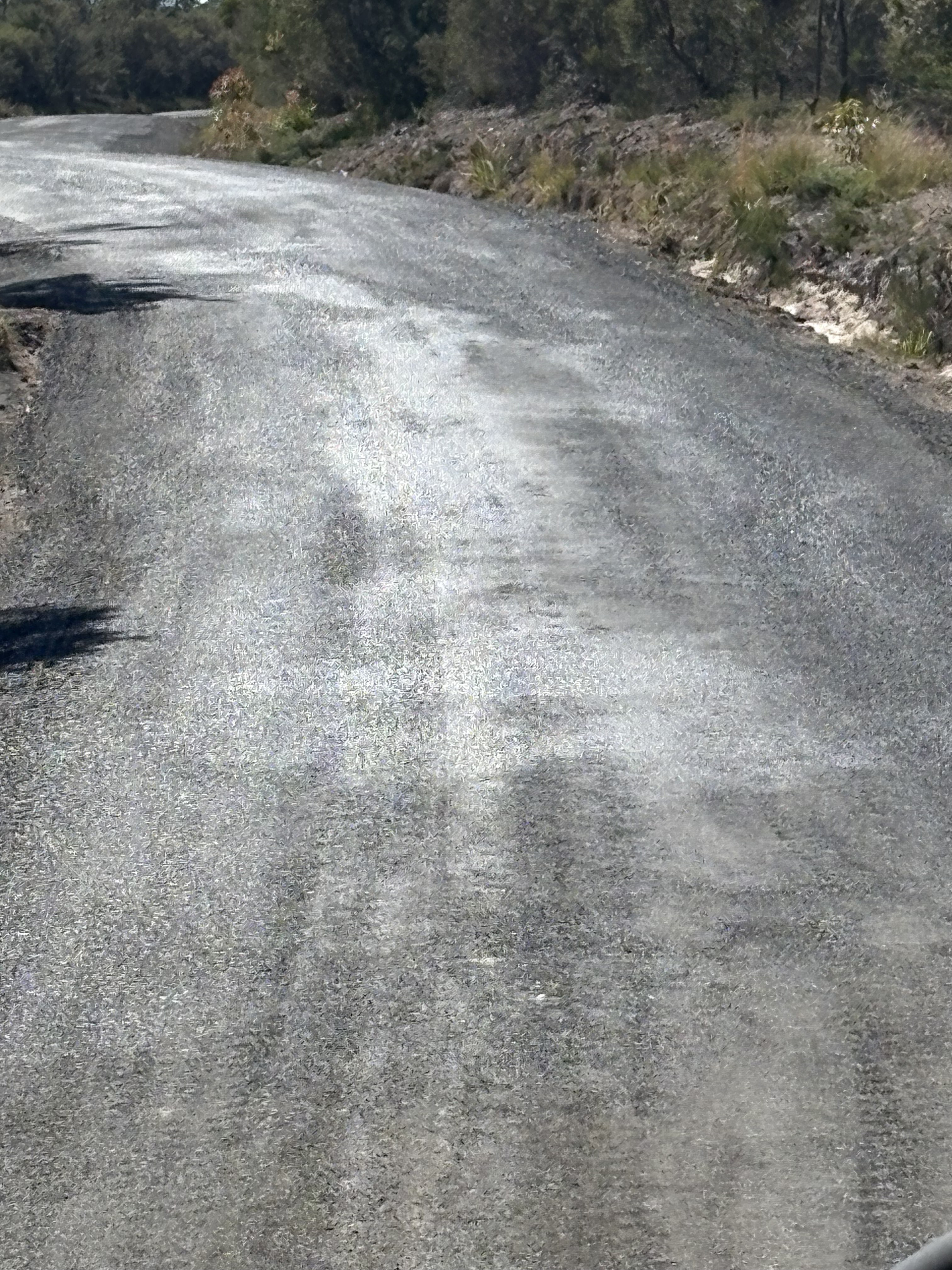
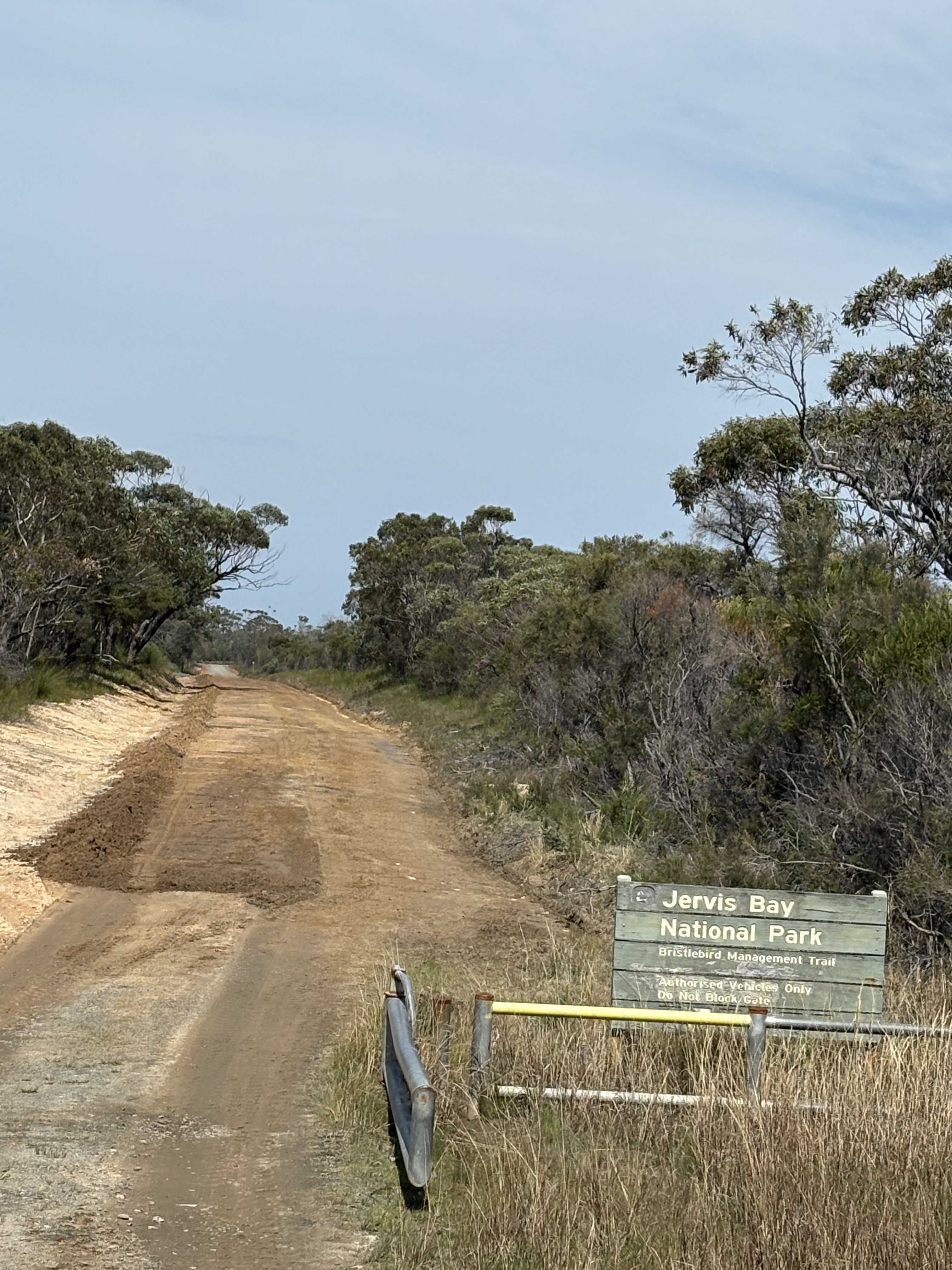

The Jervis Bay Fire Trail project demonstrates what it means to deliver infrastructure that has to work, not just look finished. By assessing each section individually, prioritising drainage over cosmetics, and focusing on long-term access reliability, Next Stage Civil restored 3 kilometres of critical fire trail to a standard that supports emergency services and land managers and earned a re-engagement from the client on the back of it.



Section-by-Section Terrain Assessment
Rather than treating the trail as a uniform job, each section was assessed individually, reading how water moved, where the surface had failed, and what intervention each area actually needed. This avoided over-engineering some sections while under-delivering on others.
Surface Reshaping & Profile Restoration
The running surface was regraded to restore correct camber and fall, giving water a defined path off the trail rather than through it. Resheeting was applied where the base had deteriorated beyond regrading alone.
Drainage-Led Thinking
Drainage correction was prioritised throughout not as an afterthought, but as the core of what makes a rural trail last. Getting water moving correctly is what separates a 12-month fix from a multi-year result.
Practical Finish Over Cosmetic Cleanup
The result was assessed on durability and usability, not appearance. A fire trail that drives well after rain and holds its shape through seasonal conditions, that's the standard NSC worked to.
The result
Talk to the team at Next Stage Civil about your next civil infrastructure project.