
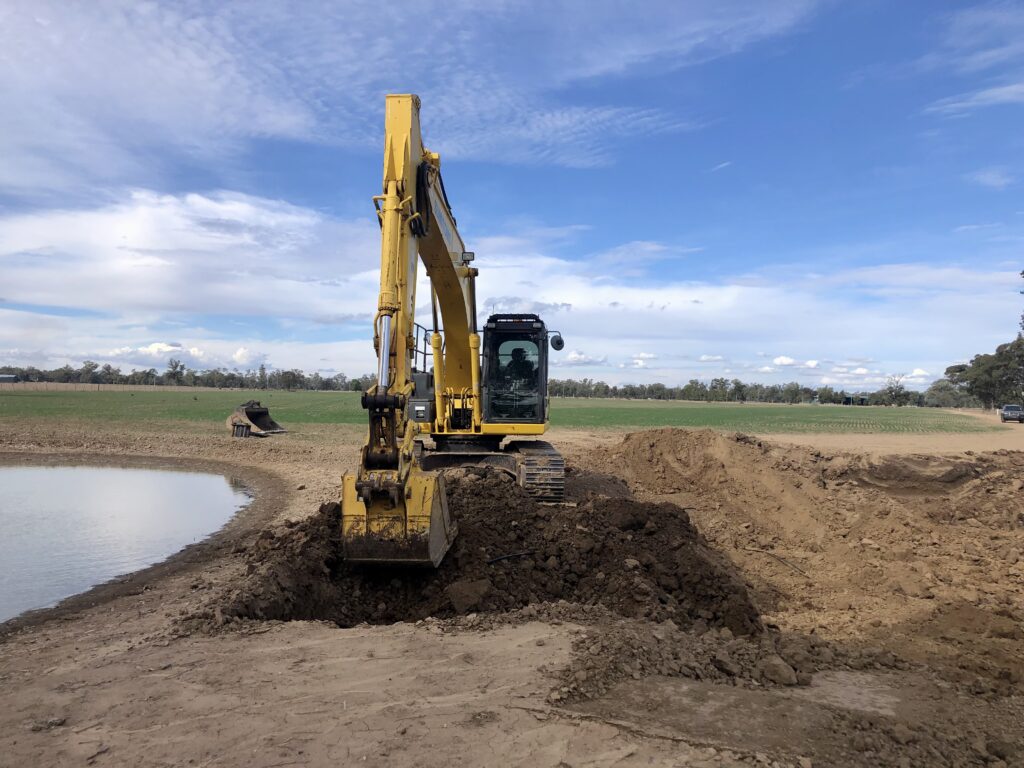
Water management is one of the most critical yet often underestimated aspects of civil construction projects. From residential subdivisions and road construction to commercial developments and infrastructure works, proper drainage planning can mean the difference between a smooth project and costly delays.
For projects involving civil earthworks in Goulburn, effective water runoff management is especially important due to changing weather conditions, soil types, and site topography. Contractors performing earthmoving, excavation, and site preparation in Goulburn must ensure proper drainage systems are in place to protect construction sites and surrounding environments.
Uncontrolled water runoff can cause erosion, flooding, soil instability, environmental damage, and compliance issues. For developers and builders working on projects that involve civil construction and earthworks in Goulburn, managing water effectively during construction is not just about preventing problems it is about ensuring safety, protecting the environment, and keeping projects on schedule.
In this article, we explore why water runoff management is essential in civil construction and the strategies professionals use to control drainage on site.
Why Water Runoff Management Matters in Civil Construction
Construction activities such as site preparation, excavation, and earthmoving dramatically alter the natural landscape. When land clearing, grading, and excavation begin, the soil becomes exposed and more vulnerable to water movement.
Without proper planning, rainfall or groundwater can quickly lead to several serious problems on a construction site, including:
- Soil erosion
- Sediment runoff into nearby waterways
- Flooding on site
- Equipment access problems
- Delays in construction activities
- Damage to foundations and structures
For contractors carrying out civil construction projects in Goulburn, these risks can significantly affect project timelines and costs if drainage systems are not planned properly.
Because of this, effective drainage planning should begin during the earliest stages of civil earthworks and site preparation.
Common Water-Related Problems on Construction Sites
Civil construction sites often encounter several water-related challenges, particularly during the earthworks and excavation phase.
Surface Water Accumulation
Rainwater can quickly collect in low areas or excavation pits, especially on large earthmoving sites. Standing water can halt excavation work and make the site unsafe for heavy machinery.
Poor grading or lack of temporary drainage systems often contributes to this issue.
Experienced contractors performing site preparation and earthworks typically design temporary drainage solutions to guide water away from active construction zones.
Soil Erosion
When soil is disturbed during excavation and civil earthworks, it becomes highly susceptible to erosion. Heavy rainfall can wash loose soil downhill, creating gullies and removing important structural layers.
Erosion not only damages the construction site but can also transport sediment into nearby stormwater systems or natural waterways.
This is why erosion control measures are often implemented before major earthmoving works begin in civil construction projects in Goulburn.
Sediment Pollution
Sediment runoff is one of the most common environmental concerns during construction.
Mud and fine soil particles carried by runoff water can enter creeks, rivers, and drainage systems, affecting water quality and aquatic ecosystems.
Because of this, many projects install temporary sediment control systems and drainage solutions during earthworks.
Ground Instability
Excess water can weaken soil strength, making the ground unstable for equipment and construction activities.
Wet or saturated soil conditions can lead to compaction issues, slope failures, and foundation instability. This can be particularly problematic during excavation services in Goulburn, where maintaining stable soil conditions is critical for safe construction.
Managing groundwater and surface water is therefore essential to maintaining safe working conditions.
Planning Drainage Before Construction Begins
Effective runoff management starts with proper planning.
Before earthmoving begins, engineers and civil construction contractors in Goulburn typically conduct a site assessment to understand how water moves across the land.
This assessment usually evaluates:
- Natural drainage patterns
- Soil type and permeability
- Slope and topography
- Groundwater levels
- Local rainfall patterns
Based on these factors, a drainage management plan is developed to work alongside the earthworks and excavation strategy.
Planning drainage early helps avoid costly issues such as flooding, erosion, and delays during construction.
Civil Earthworks and Drainage Challenges in Goulburn
Construction sites across the Goulburn region often face unique drainage challenges due to local soil conditions and seasonal rainfall patterns.
Projects involving civil earthworks in Goulburn require careful planning to ensure water runoff is properly controlled throughout the construction process.
Experienced earthmoving contractors in Goulburn understand how to design temporary drainage systems, sediment control measures, and grading strategies that help prevent erosion and protect surrounding infrastructure.
Whether the project involves residential developments, roadworks, or commercial construction, proper water management plays a key role in successful civil construction projects in Goulburn.
Key Strategies for Managing Water Runoff During Construction
Professional contractors use several proven techniques to control drainage and prevent erosion.
Temporary Drainage Channels
Temporary drainage channels or diversion drains are commonly installed to redirect water away from active construction zones.
These channels guide runoff to designated discharge points, preventing water from flowing through excavation areas or across newly graded surfaces.
Properly designed drainage channels can significantly reduce erosion risks during heavy rainfall.
Sediment Control Measures
Sediment control systems help trap soil particles before runoff water leaves the construction site.
Common sediment control tools include:
- Silt fences
- Sediment basins
- Sediment traps
- Filter socks
- Check dams
These systems slow down water flow, allowing suspended soil particles to settle before the water is released.
Sediment basins are particularly effective on larger construction sites where extensive earthworks and excavation activities are taking place.
Stabilising Exposed Soil
Exposed soil surfaces are highly vulnerable to erosion. Stabilising these surfaces helps reduce the risk of sediment runoff.
Methods used to stabilise soil include:
- Hydroseeding
- Mulching
- Temporary vegetation
- Geotextile erosion control blankets
These solutions are commonly used during large-scale civil earthworks and construction projects to protect exposed ground between stages of development.
Proper Site Grading
Grading plays a crucial role in controlling water flow across a construction site.
By shaping the land correctly during site preparation and earthmoving works, contractors can ensure water flows toward designated drainage areas rather than pooling in unwanted locations.
Proper grading also prevents water from flowing toward foundations or structural elements.
Dewatering Systems
In some construction projects, groundwater or accumulated rainwater must be actively removed.
Dewatering systems use pumps, trenches, and drainage pipes to remove excess water from excavation areas.
This is especially common in projects involving deep excavation and infrastructure construction.
Environmental Compliance and Regulations
Water runoff management is not only a practical concern but also a regulatory requirement in many regions.
Environmental authorities often require contractors to implement erosion and sediment control plans before major civil earthworks and excavation works begin.
These plans outline the measures used to prevent sediment from entering nearby waterways and ensure construction activities remain environmentally responsible.
Contractors who prioritise environmental compliance reduce the risk of fines, legal issues, and project delays.
The Importance of Working with Experienced Civil Contractors
Managing water runoff during construction requires technical knowledge, planning, and experience.
Professional contractors providing civil earthworks in Goulburn understand how to:
- Design effective drainage systems
- Implement erosion control measures
- Maintain safe site conditions
- Adapt to changing weather conditions
- Ensure regulatory compliance
For developers and property owners, working with experienced civil construction contractors in Goulburn can significantly reduce project risks and help ensure projects run smoothly.
Final Thoughts
Water runoff management is a fundamental component of successful civil construction projects. Without proper drainage planning, construction sites can quickly face erosion, flooding, environmental issues, and costly delays.
By implementing strategies such as temporary drainage systems, sediment control measures, soil stabilisation, and proper grading, contractors can maintain safe and efficient construction sites.
For projects involving civil earthworks in Goulburn, proactive drainage planning is essential to ensure construction activities remain safe, compliant, and on schedule.
If you are planning a development project and require reliable earthmoving, excavation, or civil construction services in Goulburn, working with an experienced contractor can help ensure your site is properly prepared from the start.
👉 Contact our team today to discuss your next civil construction or earthworks project.