
In today’s construction landscape, sustainability is no longer a “nice to have” it’s a responsibility. Earthworks play a critical role in shaping land for development, and how these works are carried out can significantly impact both the construction site and the surrounding environment.
At Next Stage Civil, we believe that sustainable earthworks aren’t just better for the planet they also protect your project, reduce long-term risks, and deliver stronger outcomes for clients.
What Are Sustainable Earthworks?
Sustainable earthworks focus on minimising environmental impact while maximising efficiency, safety, and site longevity. This approach considers soil health, water management, emissions, and material reuse all without compromising performance or compliance.
Rather than simply moving earth from point A to point B, sustainable practices look at the bigger picture: how the land behaves now and in the future.
Protecting Your Site from Erosion and Instability
Poorly managed earthworks can lead to erosion, sediment runoff, and unstable ground issues that often result in costly repairs and project delays.
Sustainable techniques such as:
- Proper site assessment and planning
- Controlled excavation and grading
- Stabilisation of exposed soil
- Strategic drainage design
help maintain soil integrity and prevent erosion, especially during heavy rainfall. This protects not only your site but also neighbouring properties and waterways.
Smarter Water Management
One of the biggest environmental risks in earthworks is unmanaged stormwater. Sustainable earthworks prioritise responsible water control to prevent flooding, contamination, and sediment discharge.
By incorporating:
- Sediment basins and silt controls
- Natural drainage pathways
- Water-efficient site layouts
projects can significantly reduce their impact on local ecosystems while remaining compliant with environmental regulations.
Reduced Carbon Footprint Through Efficient Machinery Use
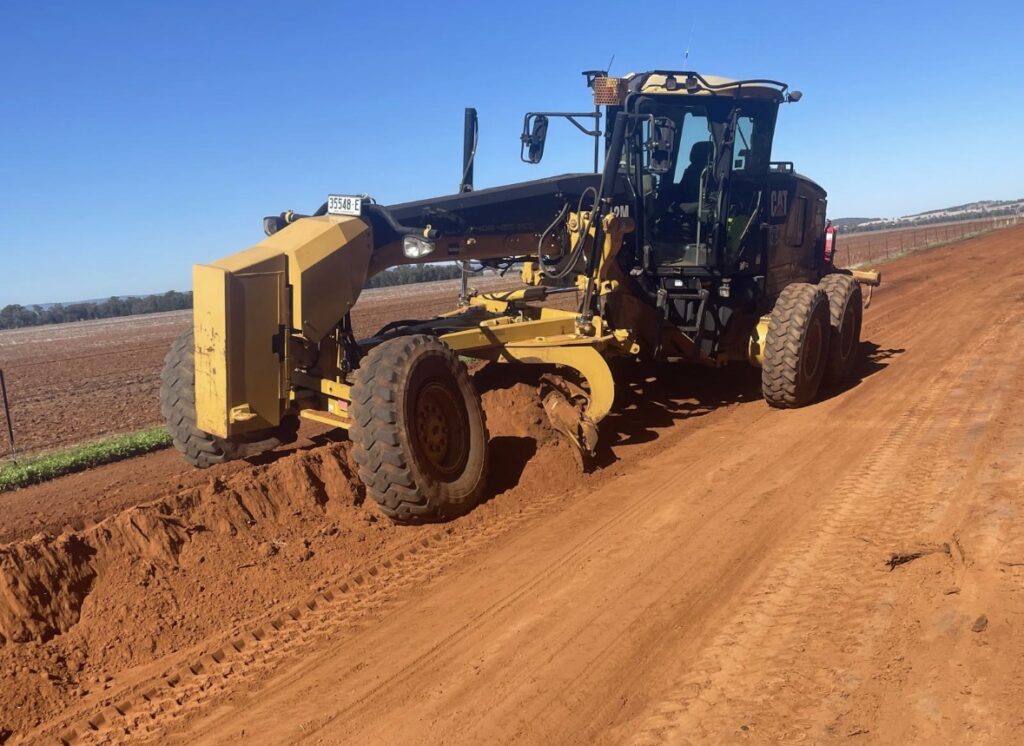
Modern, well-maintained machinery plays a major role in sustainable earthworks. Efficient equipment uses less fuel, produces fewer emissions, and completes work more precisely reducing unnecessary rework and waste.
At Next Stage Civil, careful planning ensures the right machinery is matched to the task, minimising over-excavation and excessive fuel use while improving productivity on site.
Reusing and Managing Materials Responsibly
Sustainable earthworks aim to reuse excavated materials wherever possible. Clean fill, topsoil, and aggregates can often be repurposed on-site, reducing the need for additional quarry materials and transport.
This approach:
- Lowers project costs
- Reduces landfill waste
- Minimises truck movements and emissions
It’s a practical solution that benefits both the environment and your budget.
Compliance, Risk Reduction, and Long-Term Value
Environmental compliance isn’t just about ticking boxes it’s about protecting your investment. Sustainable earthworks reduce the risk of:
- Environmental fines and delays
- Structural issues caused by poor ground conditions
- Community complaints and reputational damage
By building responsibly from the ground up, projects are more resilient, more compliant, and better prepared for future development stages.
Building with Responsibility Starts Below the Surface
Sustainability in construction begins long before the first structure is built. Earthworks set the foundation literally and environmentally for everything that follows.
At Next Stage Civil, we are committed to delivering earthworks solutions that respect the land, protect the environment, and support long-term project success.
If you’re planning a project and want an earthworks partner that prioritises both performance and sustainability, get in touch with Next Stage Civil today.
🌱 Building smarter. Building responsibly.