
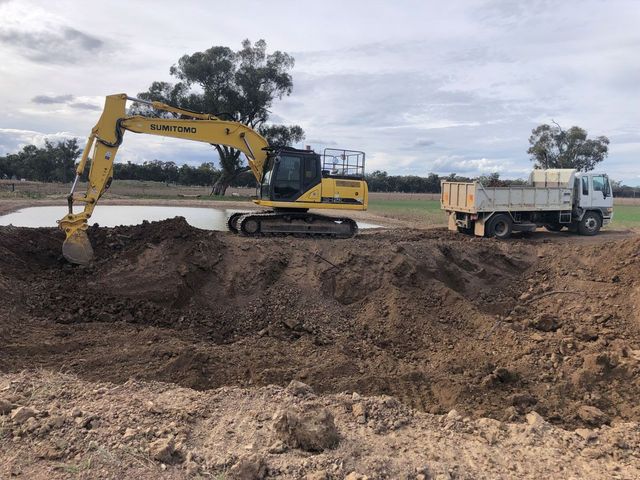
In civil construction, success isn’t just about moving dirt it’s about moving forward with a clear, well-structured plan.
Yet one of the most common issues across projects isn’t equipment failure or workforce shortages it’s inadequate project planning.
When planning falls short, everything else follows.
The Problem: Inadequate Project Planning
Poor planning often shows up in subtle ways at the beginning:
- Unrealistic project timelines
- Missing or unclear scope of works
- No contingency for weather or delays
- Incomplete site investigations
- Poor coordination between teams
At first, it might seem manageable. But as the project progresses, these gaps turn into costly setbacks.
Without a clear plan, teams are left reacting instead of executing.
Why It Happens
Inadequate planning is rarely intentional it’s usually the result of pressure and assumptions.
1. Rushed Project Starts
Clients or contractors may push to “get started” quickly, skipping detailed planning stages to save time.
2. Over-Optimistic Scheduling
Timelines are sometimes based on best-case scenarios rather than realistic conditions on site.
3. Lack of Site Understanding
Without proper site assessments, unknown factors like soil conditions, underground services, or access issues can derail progress.
4. Poor Communication
When estimators, engineers, and site teams are not aligned, key assumptions are lost between planning and execution.
👉 Related read:
Why experience matters more than speed in earthmoving
https://nextstagecivil.com/why-experience-matters-more-than-speed-in-earthmoving
5. No Contingency Planning
Unexpected challenges are part of construction but without contingencies, even small issues can stop work entirely.
👉 Related read:
Why weather planning is just as important as scheduling
https://nextstagecivil.com/why-weather-planning-is-just-as-important-as-scheduling/
Real-World Consequences
When planning is inadequate, projects quickly shift from structured execution to constant problem-solving.
🔻 Delays and Program Blowouts
Missed timelines lead to extended project durations and increased overhead costs.
🔻 Budget Overruns
Unplanned issues mean additional labor, equipment, and materials often exceeding original budgets.
🔻 Reduced Productivity
Crews spend more time waiting, adjusting, or fixing mistakes rather than progressing work.
🔻 Increased Risk
Poor planning can lead to unsafe working conditions, especially when teams rush to catch up.
👉 Related read:
How to avoid over-excavation and rework
https://nextstagecivil.com/how-to-avoid-over-excavation-and-rework/
Client Frustration
Missed deadlines and unexpected costs damage trust and long-term relationships.
In short poor planning turns simple jobs into complex problems.
How Experienced Contractors Prevent It
At Next Stage Civil, we believe that strong planning is the foundation of every successful project.
Here’s how experienced teams stay ahead:
Thorough Site Assessment
Understanding the ground conditions, access, and constraints before starting is critical to avoid surprises.
👉 Read more:
Why proper site preparation is critical for project success
https://nextstagecivil.com/why-proper-site-preparation-is-critical-for-project-success/
Realistic Scheduling
Experienced contractors plan for real-world conditions not just ideal scenarios factoring in weather, access, and sequencing.
👉 Related read:
Why weather planning is just as important as scheduling
https://nextstagecivil.com/why-weather-planning-is-just-as-important-as-scheduling/
Clear Scope and Communication
From estimating to execution, everyone must understand:
- What is included
- What is excluded
- What risks exist
This alignment prevents costly misunderstandings on site.
Built-In Contingencies
Good planning includes buffers for:
- Weather interruptions
- Equipment downtime
- Ground condition changes
he Right Team and Equipment
Planning is only effective if it’s backed by skilled operators and the right machinery.
👉 Related read:
Why experience matters more than speed in earthmoving
https://nextstagecivil.com/why-experience-matters-more-than-speed-in-earthmoving/
Continuous Monitoring
Planning doesn’t stop once the job starts. Regular checks ensure the project stays on track and adjustments are made early not when it’s too late.
Build It Right from the Start
In civil construction, every successful project begins long before the first machine hits the ground.
A well-planned project means:
- Smoother execution
- Controlled costs
- Safer worksites
- Better results
Because in this industry, it’s simple:
Fail to plan, and you’re planning to deal with delays, rework, and rising costs.
Work with a Team That Plans for Success
At Next Stage Civil, we don’t just deliver earthworks we deliver well-planned, efficient, and reliable results.
If you want your project done right from the start, we’re here to help.
📞 0421 259 291
🌐 https://nextstagecivil.com
Final Thought
The difference between a smooth project and a stressful one often comes down to one thing:
Planning.
Get it right from the beginning and everything else follows.