
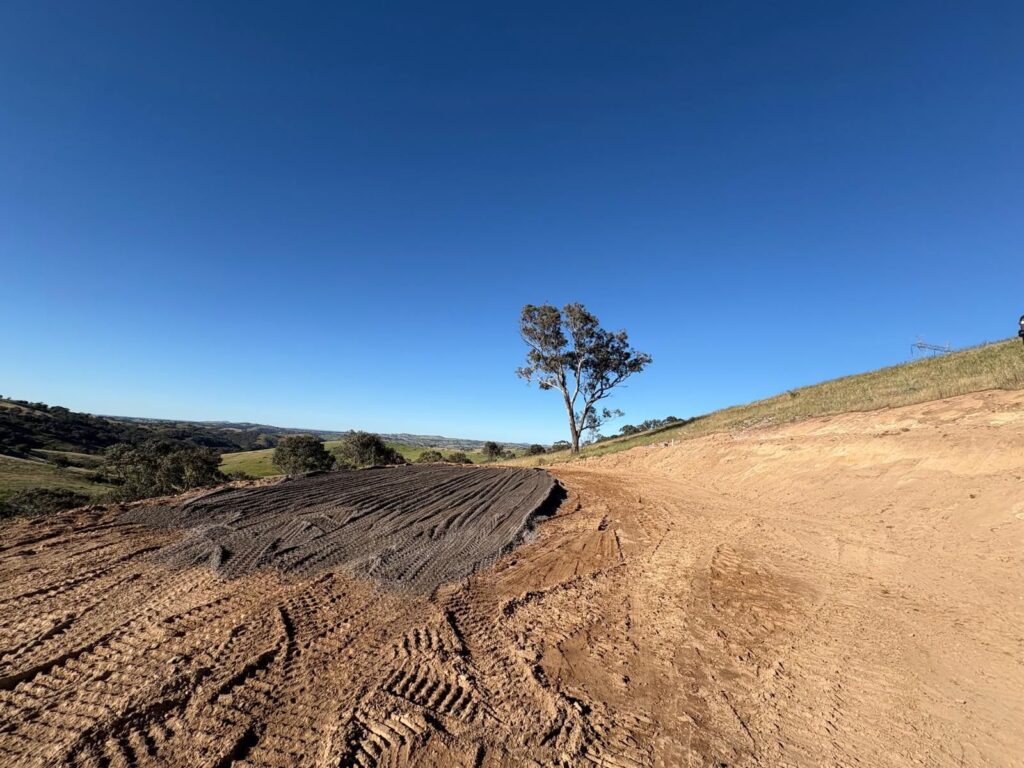
When it comes to excavation and civil works, what’s below the surface matters just as much if not more than what you see above it.
Too often, projects run into costly delays, safety risks, or structural failures not because of poor workmanship, but because the ground itself wasn’t properly understood from the start. That’s where soil testing comes in and why it should never be skipped.
At Next Stage Civil, we believe that smart projects begin with due diligence. Soil testing isn’t just a technical step it’s a foundation for trust, safety, and long-term success.
What Is Soil Testing and Why Does It Matter?
Soil testing involves analyzing ground conditions to determine soil type, strength, moisture content, and load-bearing capacity. This information directly influences how excavation, foundations, drainage, and earthworks are designed and executed.
In simple terms:
If you don’t understand the soil, you can’t build with confidence.
1. Soil Conditions Directly Impact Safety
Unstable or reactive soils can collapse, shift, or erode during excavation putting workers, equipment, and nearby structures at risk.
Soil testing helps:
- Identify weak or unstable ground
- Reduce the risk of trench collapse
- Ensure excavation methods are safe and compliant
- Protect surrounding properties and infrastructure
Safety isn’t something you fix later it starts before the first machine hits the ground.
2. It Prevents Costly Surprises Mid-Project
One of the biggest causes of budget blowouts in construction? Unexpected ground conditions.
Without soil testing, you may encounter:
- Rock where you expected clay
- Highly reactive soils that need stabilization
- Poor drainage conditions requiring redesign
- Additional excavation or material costs
Soil testing allows accurate planning upfront saving time, money, and frustration later.
3. Better Soil Knowledge Means Better Design Decisions
Foundations, retaining walls, pavements, and drainage systems all depend on soil performance.
With proper soil data, engineers and contractors can:
- Design foundations that won’t crack or sink
- Choose the correct excavation depth and method
- Plan effective drainage solutions
- Avoid over-engineering (and overspending)
Good design starts with good information.
4. Compliance, Approvals & Peace of Mind
Many councils, engineers, and insurers require soil reports before approving works. Skipping this step can delay approvals or worse, cause compliance issues down the track.
Soil testing helps ensure:
- Council and engineering requirements are met
- Works align with Australian Standards
- Long-term performance and durability
- Confidence for clients, builders, and stakeholders
It’s not just about ticking boxes it’s about doing things properly.
5. It Builds Trust and Long-Term Value
Clients appreciate transparency and professionalism. When soil testing is part of the process, it shows that the contractor isn’t cutting corners.
At Next Stage Civil, we see soil testing as:
- A sign of responsible construction
- A way to protect our clients’ investment
- A commitment to quality outcomes
- Proof that we plan before we dig
That trust carries through the entire project.
The Bottom Line: Dig Smart, Not Blind
Excavation isn’t just about moving earth it’s about understanding it.
Soil testing provides clarity, reduces risk, improves safety, and sets every project up for success. Whether it’s residential, commercial, or large-scale civil works, skipping this step can cost far more than it saves.
At Next Stage Civil, we believe strong projects start from the ground up with knowledge, preparation, and the right expertise.
📍 Planning excavation or earthworks?
Let’s do it right from the start.
Visit nextstagecivil.com to learn more or get in touch with our team.